
CCTT participated in OSJD Freight Transportation Meeting: New Agreements to Shape Eurasian Logistics in 2026
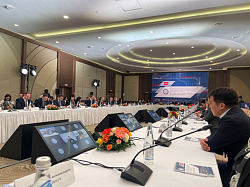
A delegation from the International Coordination Council for Trans-Eurasian Transportation (CCTT) participated in the Organization for Cooperation between Railways (OSJD) Commission meeting on freight transportation titled Coordination of Freight Transportation Volumes in International Traffic. The event was hosted by JSСo «Russian Railways» (RZD) and took place from March 10 to 13, 2026, in Sochi, on the Sirius federal territory.
Key Objectives of the Meeting
The meeting focused on two primary objectives:
- Approval of freight transportation plans for 2026
- Review of performance results from 2025
Over 140 participants from 10 countries attended the meeting, engaging in 21 working groups. The participating railway authorities represented:
- Afghanistan
- Belarus
- Vietnam
- Iran
- Democratic People’s Republic of Korea (DPRK)
- Mongolia
- Russia
- Turkmenistan
- Uzbekistan
Key Outcomes and Agreements
The meeting resulted in several significant outcomes, including the coordination of freight transportation volumes for the current year and the development of measures to ensure their implementation.
Key optimization measures for 2026 include:
- Reduced dwell time for wagons and locomotives at border stations through strict adherence to the norms of the Agreement on International Goods Transportation (SMGS) and its Supplementary Conditions (SI to SMGS)
- Improved transportation uniformity
- Timely train formation
- Accelerated turnover of locomotives and wagons
- Routing optimization for bulk cargo transportation (coal, coke, oil, petroleum products, metallic ore, fertilizers, timber, etc.)
A significant development is the transition to paperless coordination of transportation volumes, which will:
- Streamline coordination processes
- Reduce administrative burden on participants
- Enhance data transparency and traceability
- Minimize documentation-related costs
Impact on International Logistics
The agreements reached will significantly impact Eurasian logistics in 2026. The optimization of border station processes and digitalization initiatives will contribute to:
- Increased capacity of railway corridors
- Reduced delivery times for cargo
- Enhanced reliability of international transportation
- Strengthened position of rail transport as an environmentally friendly and efficient mode of cargo delivery
CCTT’s participation in the meeting underscores the organization’s proactive role in shaping a unified strategy for trans-Eurasian transportation development and strengthening international cooperation in railway transportation.